Method
LC-MS/MS — definitive toxicology
Liquid chromatography–tandem mass spectrometry
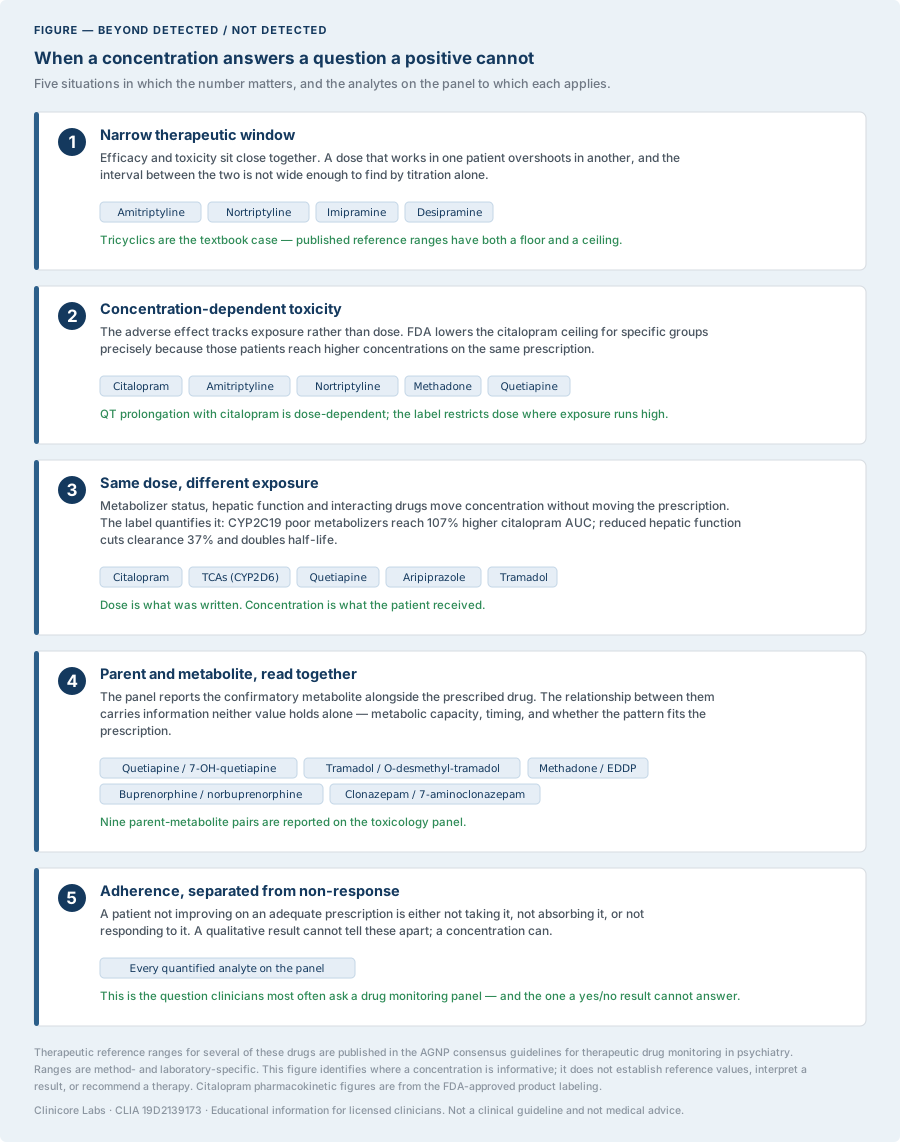
Definitive identification and quantitation of drugs and their metabolites. Each analyte is separated chromatographically and confirmed by a mass-to-charge transition specific to that molecule, then reported as a measured concentration against a cutoff set for that analyte — not as a presumptive positive or negative.
Orderable panels 2
- Definitive confirmation — selected classes components bill separately
Clinical testing for patient management. Not employment, legal, or forensic testing. Specimens are not collected under chain of custody.
- Hormone profile — Mitra microsample components bill separately
A serum cortisol identifies a signal; it does not diagnose adrenal insufficiency, which requires dynamic testing. Results indicating a finding warrant endocrine evaluation.
Every test in this line
The catalog lists all 65 analytes with method, specimen, codes, and reportable range or cutoff.
Browse the definitive toxicology catalog